

This is what “Accessible Travel” can look like and why it needs to change.

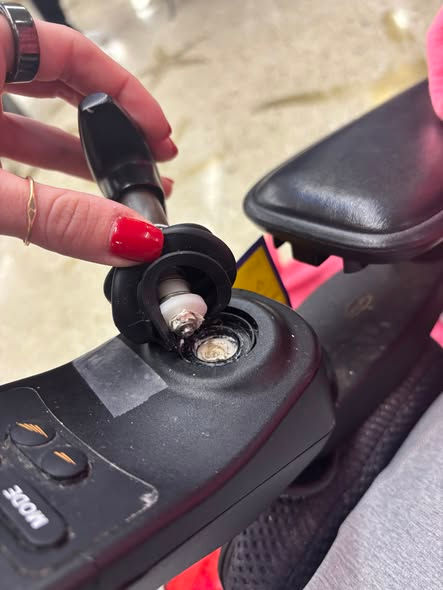
A broken wheelchair joystick means someone cannot move independently. Being transported into the gate area filled with people in an aisle chair means being fully exposed, dependent, and powerless in a public space, true humiliation!
These moments don’t show up on boarding passes. They aren’t reflected in flight times or baggage fees. But they are lived every day by people with physical disabilities.
It isn't always easy sharing these personal experiences, but in doing so we hearing from others in the disability community who ask for help because they’ve made the difficult decision to stop traveling altogether.
This isn't due to a desire to travel, but because repeated barriers and fear when traveling have taken away the joy, safety respect from people with disabilities.
We share this to ask a few simple questions:
If this were your mobility, your body, your independence, would this be acceptable? How would you feel? How would you react?
Awareness is the first step toward accountability. And accountability is the first step toward real accessibility.





Comments